Source Disc Brake Pads With Shims And Sensors for Cars, Trucks, SUVs
Compare 30 listings of disc brake pads with shims and sensors from verified Chinese manufacturers. Buyers can evaluate specifications, pricing, and certifications for automotive repair and replacement needs across multiple vehicle types; compare the available evidence and request quotations based on your requirements.
Key considerations
Products List


Comprehensive Sourcing Guide
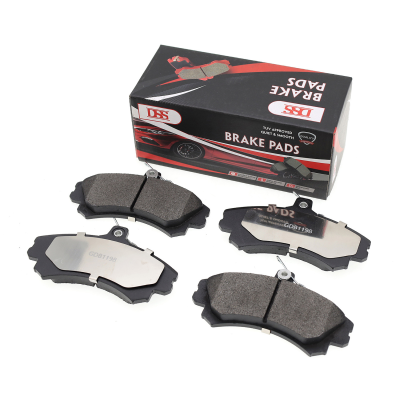
Disc Brake Pads with Shims and Sensors Sourcing Guide
The global market for disc brake pads with shims and sensors is anchored in manufacturing hubs like Shandong, China, where facilities in Zibo and Zichuan specialize in producing high-volume automotive components. Buyers observing listings will find a diverse range of products designed for Japanese, Korean, American, German, and French vehicle models, indicating a broad compatibility strategy among suppliers. These components are typically categorized as new items with a standard one-year warranty, ensuring that the initial procurement cycle covers a reasonable operational period before potential replacement is needed.
When evaluating specific listings, procurement teams must distinguish between general brake system parts and specialized assemblies that include integrated sensors and shims. The observed product data highlights variations in material composition, ranging from ceramic to semi-metal formulations, which directly influence friction characteristics and heat dissipation. While some listings specify a single-item selling unit, others may offer bulk packaging options, requiring buyers to clarify whether the sensor and shim integration is standard or an optional customization feature before finalizing the order.
Product Scope and Observed Listing Signals
Buyers should verify that the listed brake pads explicitly match the required vehicle position, as the supply chain distinguishes clearly between front and rear axle components. The observed data indicates that products are often classified under specific OE numbers, such as 4466-47020, which serves as a critical reference for ensuring the correct fitment for the target vehicle platform. This specificity is essential because the inclusion of sensors and shims often varies by axle position, and using a rear pad on a front application can lead to immediate system failure or safety hazards.
The packaging and branding signals in the market provide additional context regarding the intended market segment and quality tier. Listings frequently mention neutral or color packaging options, alongside specific model codes like D04465-ok260 or D1608, which help in tracing the production batch and verifying the manufacturer's identity. While some suppliers offer customized branding, the core product attributes remain consistent with the GB standard, suggesting that the fundamental engineering specifications are aligned with domestic Chinese manufacturing norms rather than international OEM standards.
Technical Specifications to Verify
Technical due diligence must begin with the material composition, as the choice between ceramic and semi-metal formulations dictates the thermal performance and wear rate of the brake pads. The observed specifications list tensile strength requirements, such as a minimum of 268 N/M, which serves as a baseline for structural integrity under high-stress braking conditions. Buyers must confirm that the specific batch of pads meets these mechanical thresholds, as variations in the semi-metal mix can significantly alter the friction coefficient and noise generation during operation.
In addition to material properties, the physical dimensions and sensor integration must be validated against the vehicle's original equipment specifications. The product data references specific standards like G3000 and GB, which govern the dimensional tolerances and surface finish of the brake discs and pads. It is crucial to verify that the included shims are compatible with the specific brake caliper design and that the sensors are correctly positioned to trigger the dashboard warning light at the appropriate wear threshold, ensuring the system functions as an integrated safety unit.
Compliance and Safety Documentation
Compliance verification requires a rigorous review of the certification documents provided by the supplier, as the market data lists a wide array of potential standards including ISO, ISO/TS, and DOT. While some listings mention certifications like ISO9001 or specific automotive standards, buyers must ensure that the documentation is current and applies specifically to the brake pad model being purchased. The presence of multiple certification codes in a single listing often indicates a broad compliance portfolio, but it does not guarantee that every specific product variant has undergone the necessary safety testing for the target export market.
Safety documentation must also address the specific regulatory requirements of the destination market, particularly regarding the electrical components of the sensor system. The observed data includes references to standards like ECE and AMECA, which are relevant for international trade, but buyers should not assume these apply universally without explicit confirmation. It is the buyer's responsibility to request the specific test reports for the sensor functionality and the brake pad friction performance to ensure they meet the legal safety thresholds of the importing country.
Cost Drivers and Commercial Terms
The commercial landscape for these components is characterized by a wide price range, observed between 0.02 and 35 USD, which reflects significant variations in material quality, sensor complexity, and order volume. The minimum order quantity (MOQ) typically ranges from 10 to 3000 units, creating a barrier for small buyers while offering economies of scale for larger procurement teams. Buyers must analyze the unit price in the context of the total landed cost, considering that lower-priced items may lack the necessary sensor integration or use inferior semi-metal materials that reduce the overall lifespan of the brake system.
Negotiating commercial terms requires a clear understanding of the packaging and shipping logistics, as the observed data lists options ranging from plastic bags to wooden cases and pallets. The choice of packaging directly impacts the cost of freight and the risk of damage during transit, especially for components with sensitive electronic sensors. Buyers should clarify whether the quoted price includes the cost of the custom packaging or if the neutral packaging is the standard offering, as this can affect the final cost per unit and the efficiency of the receiving process at the destination warehouse.
Supplier Qualification and Quality Control
Supplier qualification should focus on the geographic location and the specific manufacturing capabilities of the facility, with a strong emphasis on the Shandong region where Zibo and Zichuan are known production centers. The presence of a one-year warranty on the products suggests a baseline level of confidence in the manufacturing process, but buyers must verify the supplier's ability to maintain consistent quality across different production batches. It is advisable to request a factory audit or a detailed quality control plan that outlines the inspection steps for the sensor installation and the bonding of the shims to the brake pad backing plate.
Quality control protocols must also address the customization capabilities of the supplier, as the market data indicates that customization is available for certain product lines. Buyers should confirm the lead time for custom orders and the specific requirements for providing design specifications or OE numbers to ensure the final product matches the intended application. The ability to produce brake pads with specific material compositions, such as the observed rubber or stainless steel standards, depends heavily on the supplier's equipment and expertise, making it essential to validate their technical capacity before placing a large order.
Long-Term Procurement Checks
Establishing a long-term procurement relationship requires a commitment to regular performance monitoring and feedback loops with the supplier. Buyers should implement a system to track the failure rates of the brake pads and sensors in the field, using this data to negotiate better terms or request design improvements in future orders. The observed main market data, which includes regions like North America, Europe, and Southeast Asia, suggests that the supplier has experience with diverse regulatory environments, but continuous verification is necessary to ensure ongoing compliance with evolving safety standards.
Finally, buyers must maintain a dynamic supplier database that tracks changes in certifications, material standards, and production locations over time. The supply chain for automotive components is subject to fluctuations in raw material availability and regulatory changes, so periodic re-qualification of the supplier is essential to mitigate risk. By maintaining a proactive approach to supplier management, procurement teams can ensure a steady supply of high-quality disc brake pads with shims and sensors that meet the rigorous demands of the global automotive aftermarket.
FAQs
What materials are used for these brake pads?
The brake pads are manufactured using ceramic and semi-metal materials. These compositions provide reliable friction and heat dissipation for various vehicle types. The product is designed for replacement and repair purposes, ensuring compatibility with Japanese, Korean, American, German, and French car models. This material selection supports durability and consistent braking performance across different driving conditions.
Can I get custom packaging for these brake pads?
Yes, customization is available for these brake pads. Buyers can choose between neutral packaging or color packages to suit their branding needs. The standard packing options include plastic bags with pallets or wooden cases. This flexibility allows businesses to tailor the presentation of the product for specific markets or retail requirements while maintaining safe transit conditions.
What certifications do these brake pads hold?
These brake pads hold ISO and ISO/TS certifications. These standards ensure quality management and automotive industry compliance for the manufacturing process. The products originate from Shandong, China, specifically Zibo and Zichuan regions. The certifications support international trade requirements and provide assurance of consistent quality control throughout the production of these automotive replacement parts.
What is the warranty period for these brake pads?
The warranty period for these brake pads is one year. This coverage applies to new condition products sold as single items. The warranty supports the reliability of the ceramic and semi-metal construction. Buyers can rely on this guarantee for peace of mind regarding the product's performance and durability during the initial year of use in their vehicles.
Which car models are compatible with these brake pads?
These brake pads are compatible with Japanese, Korean, American, German, and French car models. The OE number 4466-47020 indicates specific fitment for various vehicle brands. They are designed for front position installation. This broad compatibility makes them suitable for a wide range of automotive repair and replacement needs across different global markets and vehicle manufacturers.
What is the minimum order quantity for these brake pads?
The minimum order quantity ranges from 10 to 3000 units. This flexibility accommodates both small trial orders and large bulk purchases. The selling unit is listed as a single item, allowing for precise quantity management. Buyers can select the MOQ that best fits their inventory requirements and distribution strategy while securing the necessary supply of brake pads.